- Suggestions
- Tarifario
-
-
Make an appointment


Bienvenido
Elige con que asesor deseas chatear y te atenderá con mucho gusto.

THE EXECUTIVE BRANCH ORDERS THAT THE DRAWBACK RATE BE MAINTAINED AT CURRENT LEVELS TO AVOID LOSS OF COMPETITIVENESS
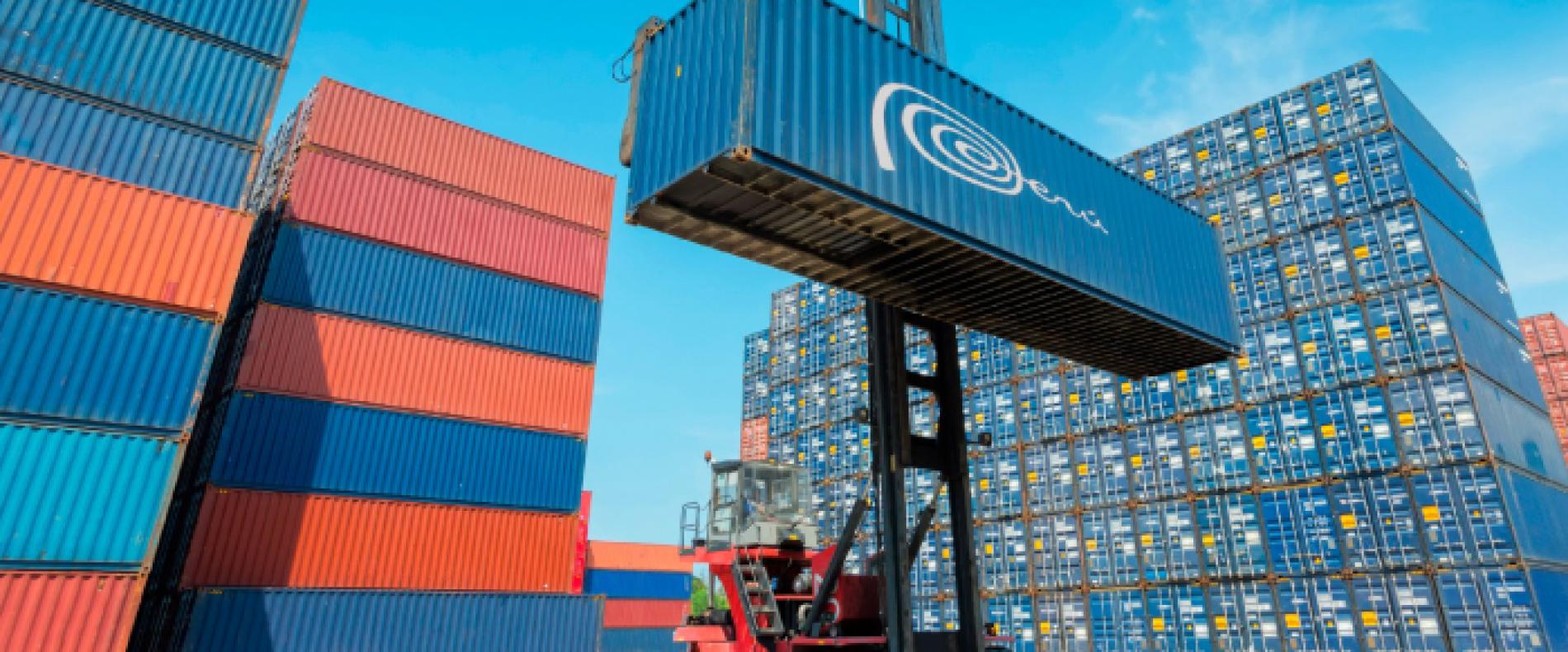
The Ministry of Economy and Finance published today Supreme Decree No. 027-2025-EF, which allows the current rate of the restitution of tariff rights or drawback to be maintained, which was to be lowered to 0.5% as of July 31 of this year.
This decision of the Government is taken considering the scenario of uncertainty and the extraordinary changes that have been taking place in foreign trade in the international context, which is why measures are required to maintain the competitiveness of local exports.
As recalled, Supreme Decree No. 189-2024-EF, repealed today, modified the Regulation of the Simplified Procedure for the Restitution of Tariff Rights or drawback, which proposed a restitution rate of 1% to be applied at the end of 2024 and subsequently of 0.5%. Then, Supreme Decree No. 197-2024-EF provided for the reduction of the drawback from July 31, 2025.
The decision to maintain the current drawback regime was recently discussed and announced by the Minister of Economy and Finance, José Salardi, to business associations.
In this way, the drawback scheme is maintained to provide predictability to non-traditional exports in the face of uncertainty in the international context. This uncertainty arose in the international economic-commercial panorama, where different countries have adopted or threatened to adopt protectionist measures, such as the increase in tariffs and the imposition of non-tariff barriers.
Source: Ministry of Economy and Finance
Related news

Mincetur: Peruvian exports exceed US$33 billion between January and May and are on track to reach a historic record in 2025.
Mincetur: Peruvian exports exceed US$33 billion between January and May and are on track to reach a historic record in 2025.

MEF: Double taxation agreement boosted Brazilian investment in Peru

Peru will build its first artificial peninsula in Callao: investment amounts to more than US$760 million and will have these innovative spaces
Peru will build its first artificial peninsula in Callao: investment amounts to more than US$760 million and will have these innovative spaces

Port congestion in northern Europe spreads to the US and China