- Suggestions
- Tarifario
-
-
Make an appointment


Bienvenido
Elige con que asesor deseas chatear y te atenderá con mucho gusto.

Peruvian exports to Brazil: what are the products with potential growth in the short term?
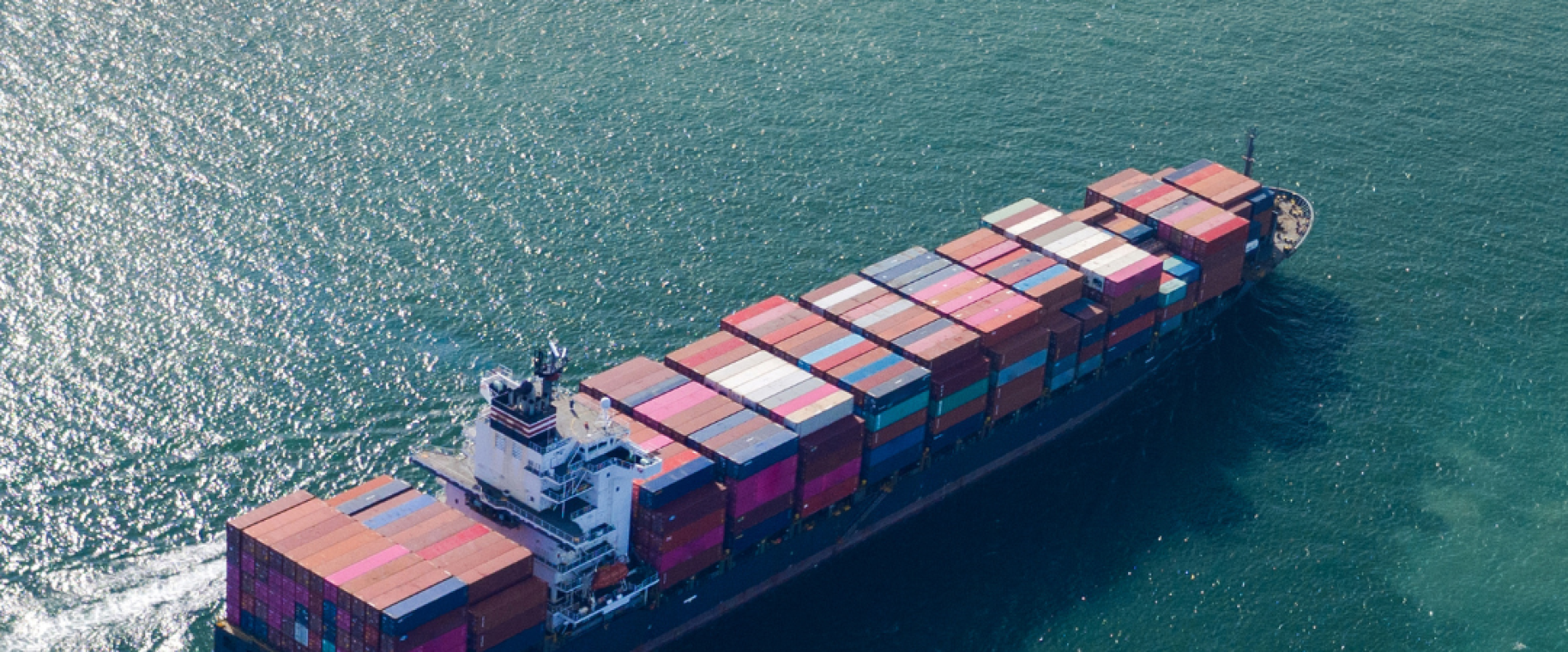
According to a study on opportunities for Peruvian exports to Brazil, the time it takes to transport products from Urcos to Iñapari, for trade between both countries, was reduced by 40% since 2012.
There are 12 Peruvian products that can be prioritized for export in the states of Acres and Rondonia, Brazil, and with potential growth in the short term, according to the study “Trade Opportunities Peru and Brazil”, prepared by the consulting firm Maximixe. and on behalf of the Concessionaires Interoceánica Sur Tramo 2 and Interoceánica Sur Tramo 3.
According to the document, these products are prepared or preserved olives, unfilled pasta, dried oregano leaves, fresh grapes, fresh onion, Brazil nuts, clothing, quinoa, fresh garlic, potatoes fresh or refrigerated, wheat flour and Yura cement.
This takes into account the possibility of meeting the unsatisfied demand of Acre and Rondonia, in addition to different criteria such as whether the good has access restriction to the Brazilian market or not, the size of the demand, production capacity, price, barriers. non-tariff regulations, the commercial window, the substitute products that exist, among other aspects.
On the other hand, the list of Brazilian products prioritized to be imported to Peru and that have potential growth in the short term are yellow corn, Brazil nuts in shell, soybean oil, chopped corn, crystal sugar, other fresh or chilled fish, milled rice, boneless beef, tropical sawn wood, other animal feed and frozen beef.
“There is a great demand [for the products], the issue is that they must meet the quality and presentation standards that more modern markets require,” said Henry Álvarez, director of Economy at Maximixe.
Furthermore, in the case of emerging Peruvian agricultural products, Álvarez considered that there could be dialogue between the public entities of both countries so that the Ministry of Agriculture, Livestock and Supply (MAPA) of Brazil includes them in the list of products authorized for the market of that country.
Transfer time
The land travel time for Peruvian exports to Brazil through the Southern Interoceanic Highway (IIRSA Sur) was reduced by 40%, said Álvarez.
“It is the average time since the highway was built, in 2012. Before 2021, from Urcos, which is the beginning of section 2 of the IIRSA South, to Iñapari, which is the final stretch of section 3, it took you almost a day to arrive. Now you do it in 12 hours,” he indicated.
However, some of the problems faced by Peruvian land shipments to Brazilian territory are trade facilitations and border controls, he adds.
As the study points out, of 100% of exports from Peru to Brazil in 2021, the use of the land route represented 3.2%, while the use of the sea route represented 82%, the air route represented 10% and the waterway by 4.1%.
On the other hand, in the case of shipments of Brazilian products to Peru, 12.9% used the land route, below the sea route (79.5%) and above the exchange by air (7.3% ).
In the Peruvian case, with the start of operations of the Port of Chancay the participation of the land route can be increased, although it will also be necessary to apply commercial facilitations from the Brazilian side for the figure to rise to double digits.
“In the short and medium term, it will be a little complicated to reach a percentage that goes from 3.2% to 40%, but I believe that, with the elimination of obstacles to bilateral trade, we could reach a level in the medium term. 20%,” he said.
Related news

Mincetur: Peruvian exports exceed US$33 billion between January and May and are on track to reach a historic record in 2025.
Mincetur: Peruvian exports exceed US$33 billion between January and May and are on track to reach a historic record in 2025.

MEF: Double taxation agreement boosted Brazilian investment in Peru

Peru will build its first artificial peninsula in Callao: investment amounts to more than US$760 million and will have these innovative spaces
Peru will build its first artificial peninsula in Callao: investment amounts to more than US$760 million and will have these innovative spaces

Port congestion in northern Europe spreads to the US and China